

Crafting engaging game design mechanics for gambling experiences
Understanding the Player Experience
Crafting engaging game design mechanics begins with a deep understanding of the player experience. This involves recognizing the motivations that drive players to gamble, whether it’s the thrill of winning, the social aspects of gaming, or the immersive experiences that come with advanced graphics and sound. Designers must consider how these motivations can be harnessed to create compelling gameplay that resonates with the target audience. By focusing on player psychology, developers can tailor mechanics that cater to various emotional responses, enhancing overall satisfaction. For those looking to explore the most popular betting sites, it’s crucial to navigate through reliable options carefully.
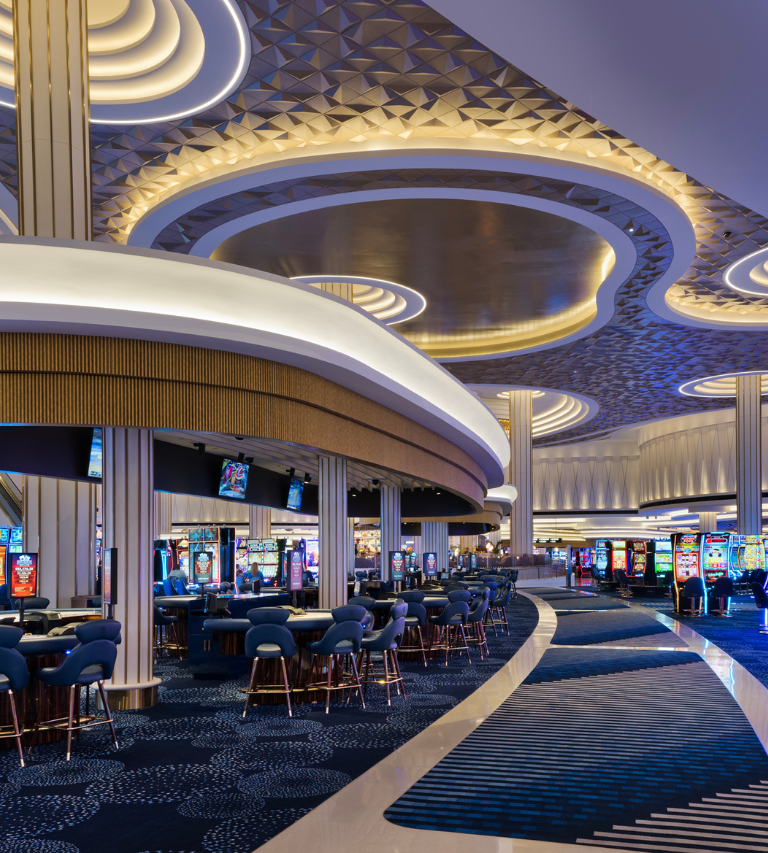
Furthermore, understanding the player experience goes beyond just individual motivations; it encompasses the broader context in which gambling occurs. Social interactions, environment, and even cultural attitudes towards gambling play a critical role in shaping how players engage with games. For instance, incorporating multiplayer mechanics can create a sense of community, allowing players to share their experiences and strategies. This social element not only enriches the gameplay but also fosters loyalty and ongoing engagement, which are crucial for the longevity of any gambling experience.
Ultimately, designers must be attuned to the evolving nature of player preferences. As technology advances and cultural attitudes shift, what engages players today may not be the same tomorrow. Continuous research and feedback loops are essential for refining mechanics that resonate with players, ensuring that gambling experiences remain fresh, exciting, and relevant in an ever-changing landscape.
Incorporating Gamification Elements
Gamification is a powerful tool in crafting engaging game design mechanics, especially in gambling. By integrating game-like elements such as points, levels, and rewards, designers can enhance the overall experience, making it more appealing and interactive. For instance, a slot machine could incorporate a leveling system where players unlock new features or bonuses as they play. This creates a sense of progression and accomplishment, encouraging players to spend more time playing and exploring the various mechanics available.
Moreover, leaderboards and achievements can foster a competitive spirit among players. By allowing individuals to see how they stack up against others, designers can tap into the natural human desire for competition. This not only boosts engagement but also encourages players to return, seeking to improve their standing. It’s essential that these gamification elements are thoughtfully integrated, ensuring they enhance rather than detract from the core gambling experience. Balancing these aspects is crucial for maintaining player interest and satisfaction.
In addition, gamification can bridge the gap between traditional gambling and mobile gaming. As mobile devices become the primary platform for many players, incorporating mobile-friendly gamified mechanics can significantly enhance user experience. Features such as daily challenges or special events designed specifically for mobile users can attract a diverse audience, expanding the player base and increasing overall engagement.
Creating Immersive Environments
Immersive environments are essential for engaging game design mechanics in gambling experiences. Designers should focus on creating visually captivating graphics and soundscapes that draw players into the game world. For instance, an online casino can utilize virtual reality (VR) to transport players into a realistic gaming environment, where they can interact with the space and other players. This level of immersion enhances the emotional connection players have with the game, making them more likely to return.
Additionally, sensory elements such as dynamic sound effects and responsive visual feedback play a crucial role in crafting immersive gameplay. The sound of a spinning reel, the excitement of celebratory music upon winning, or even ambient sounds can significantly heighten the gaming experience. These elements engage players’ senses, making them feel more involved in the game. When players are emotionally invested, they are more likely to continue playing and recommending the experience to others.
Moreover, the environment should reflect the theme of the game, further enhancing immersion. Whether it’s a high-stakes poker table in a glamorous casino or a whimsical fantasy-themed slot machine, aligning visuals and sound with the game’s narrative enhances the player’s journey. This cohesive design approach not only captivates players but also reinforces their emotional experience, encouraging prolonged engagement and enjoyment.
Utilizing Technology for Enhanced Interactivity
Technology plays a pivotal role in developing engaging game design mechanics for gambling experiences. Innovations such as augmented reality (AR), blockchain, and artificial intelligence (AI) are transforming how players interact with games. For example, AR can create interactive experiences where players can visualize game elements in their real-world environment, elevating engagement to a new level. Such technologies allow for unique gameplay experiences that are both entertaining and innovative, attracting tech-savvy players.
Furthermore, AI can be utilized to personalize the gaming experience. By analyzing player behavior and preferences, AI can offer tailored recommendations, bonuses, and challenges that align with individual tastes. This level of customization not only enhances player satisfaction but also encourages longer play sessions, as players feel that their unique preferences are acknowledged and catered to. This personalized approach fosters a deeper connection between the player and the game.
Lastly, integrating secure payment methods and instant play options through mobile devices enhances the overall user experience. Players can enjoy seamless transactions and immediate access to games, making the gambling experience more accessible and appealing. The key is to ensure that these technological advancements are user-friendly and enhance the core mechanics of the game, providing players with an enjoyable and secure gaming environment.

Exploring Future Trends in Gambling Experiences
As the gambling industry evolves, future trends in game design mechanics are likely to focus on enhancing player engagement through innovative technologies and personalized experiences. The integration of cryptocurrencies for transactions, for instance, is gaining traction, allowing for anonymous and instant payments. This shift not only appeals to tech-savvy players but also aligns with the increasing demand for security and privacy in online gaming.
Moreover, the rise of social gaming platforms is changing the landscape of gambling experiences. Future designs will likely incorporate more social elements, allowing players to interact and compete with one another in real-time. This can include shared leaderboards, social media integration, or collaborative challenges that promote community engagement. As players seek more connection in their gaming experiences, incorporating these social features will be essential for keeping them engaged.
Finally, sustainability and responsible gaming are becoming increasingly important in the gambling industry. Future game design mechanics will likely focus on promoting responsible gaming habits, utilizing features that remind players to take breaks or set limits on their gameplay. By prioritizing player well-being alongside entertainment, designers can create a more sustainable and ethical gaming environment that retains player trust and loyalty.